

New era of fuels

Torrefaction process
Definition
A process that converts biomass into a solid fuel with properties similar to coal, by heat treatment at close to atmospheric pressure in the absence of oxygen.
Benefits
Lower emissions of CO2 and of nitrogen and sulphur compounds by replacing fossil fuels with an environmentally friendly second-generation composite biofuel.
75,000 t per year
Output of finished torrefied biomass
Applications
The fuel produced by torrefaction will be used to replace lignite dust in road construction, in the lime, cement and gypsum industries, and in many other industrial sectors.
Advantages of torrefaction

Higher bulk density, which increases energy efficiency.

Improved physicochemical properties, which make transport and storage easier.

Lower greenhouse gas emissions when the second-generation composite biofuel is burned.

Greater fuel stability, resulting in more efficient and predictable combustion.
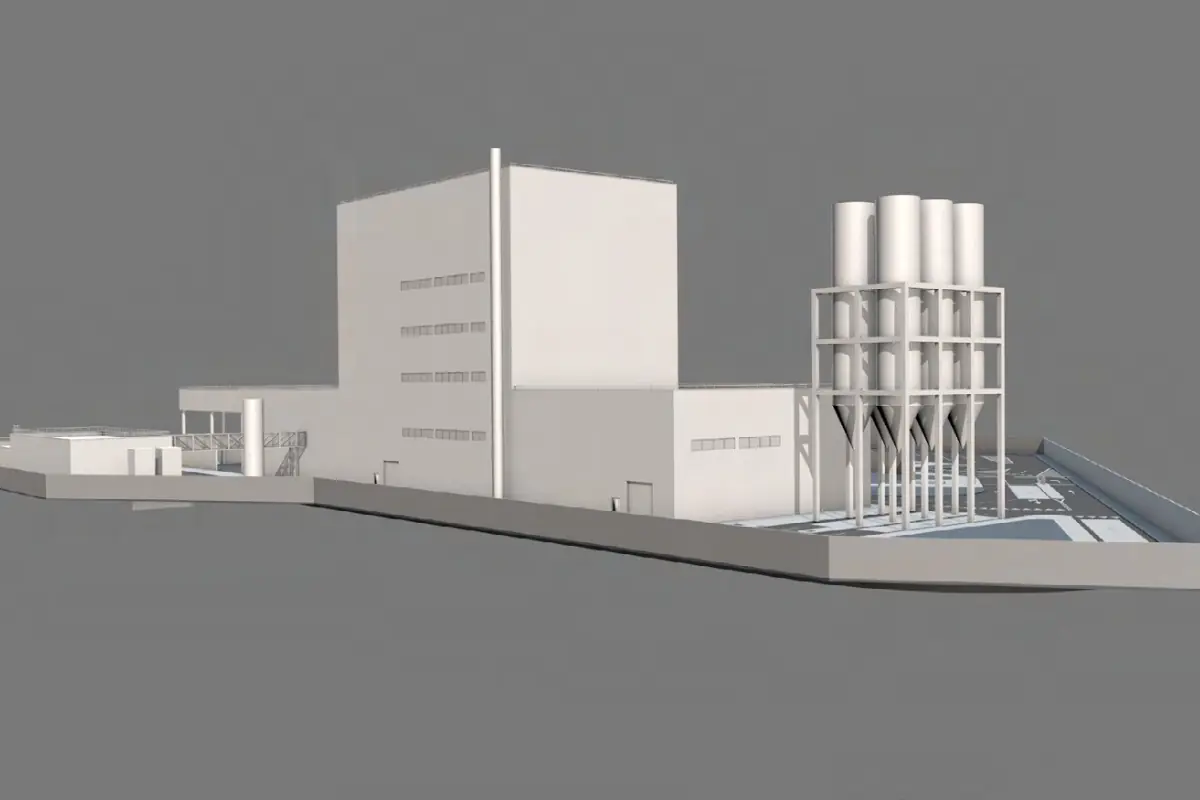
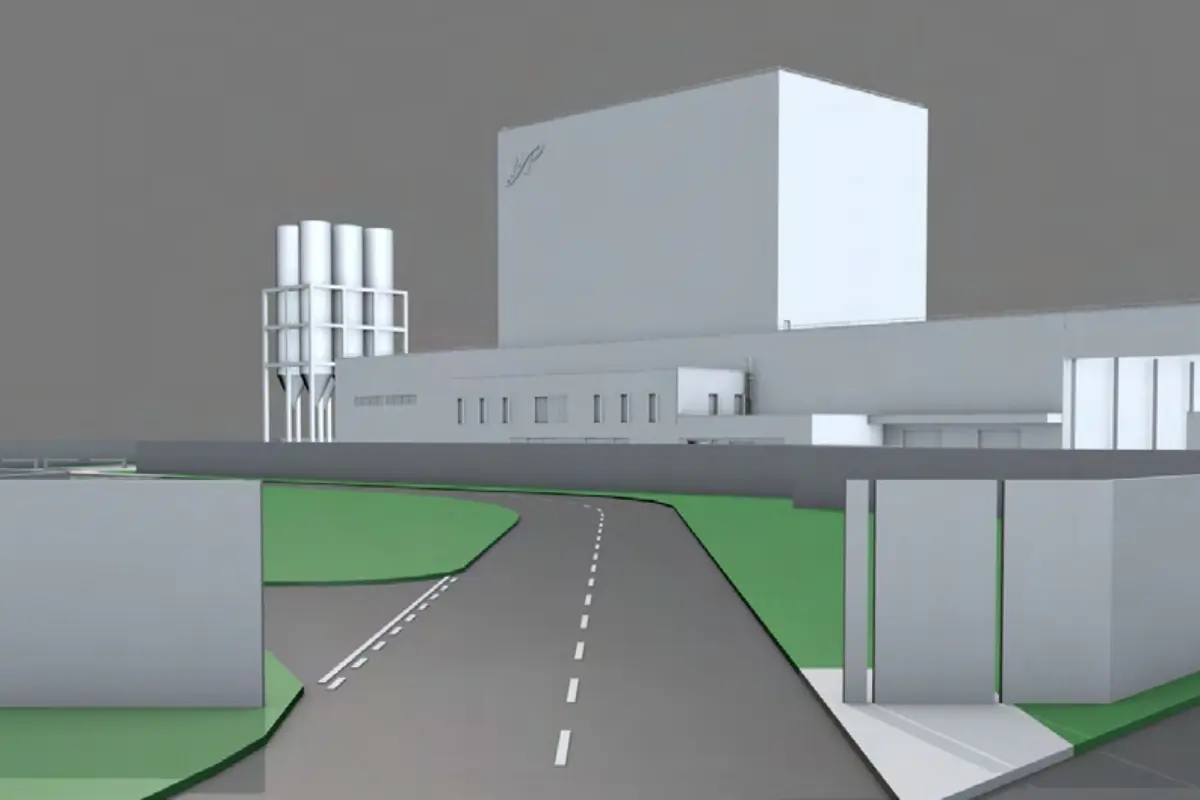
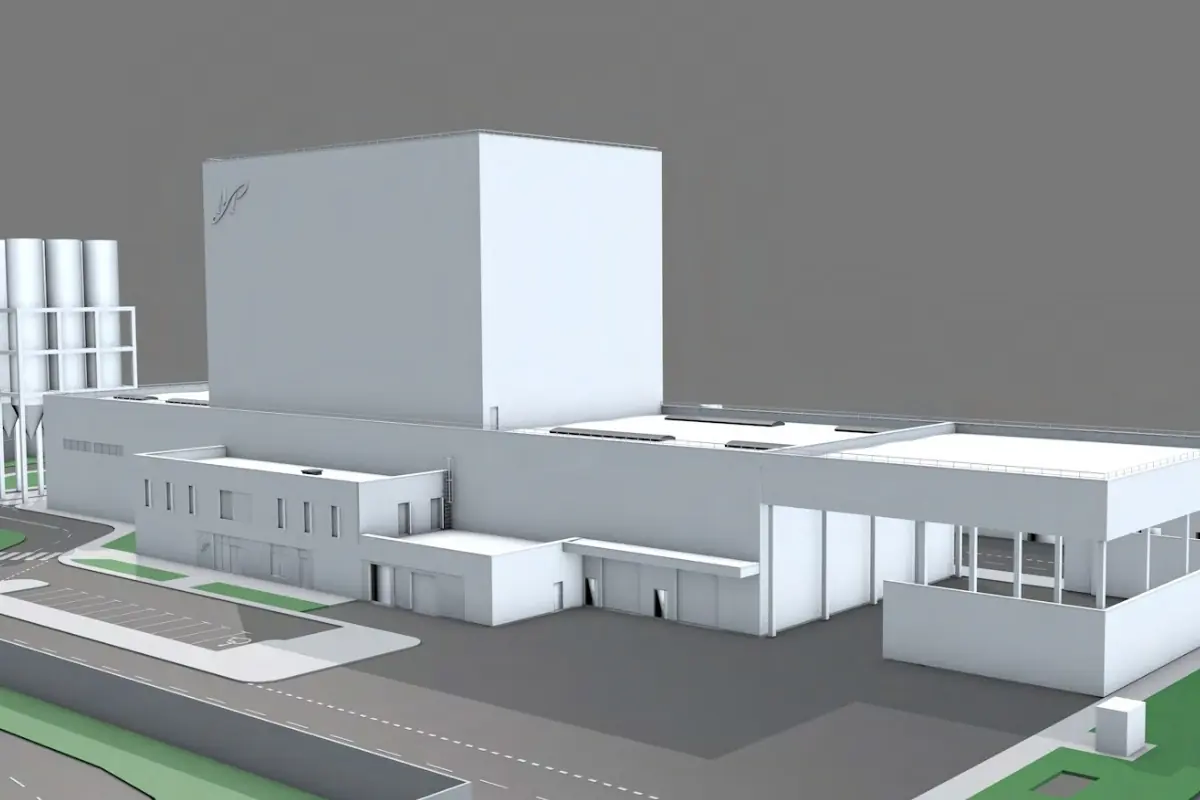
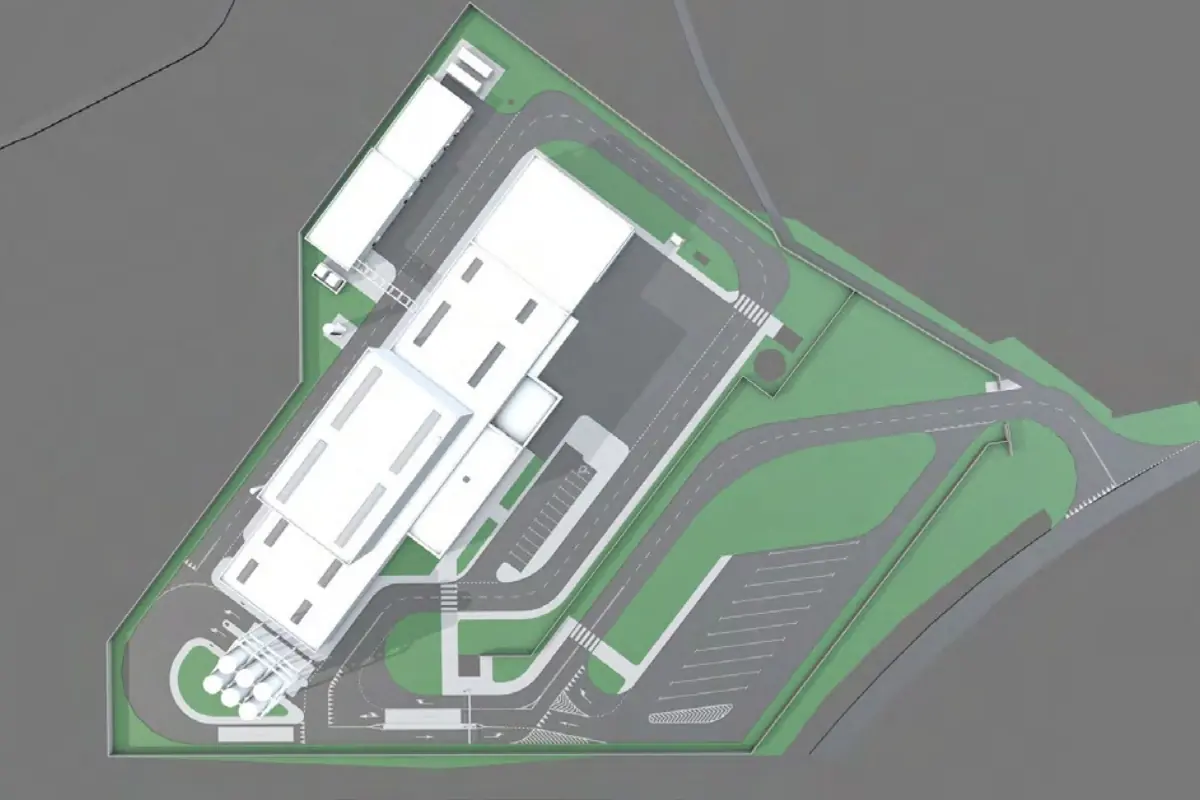
Project details

Project scale

Process
Scalability and export potential




Becoming environmentally friendly